
How Prosthetics Help You Regain Independence After Limb Loss
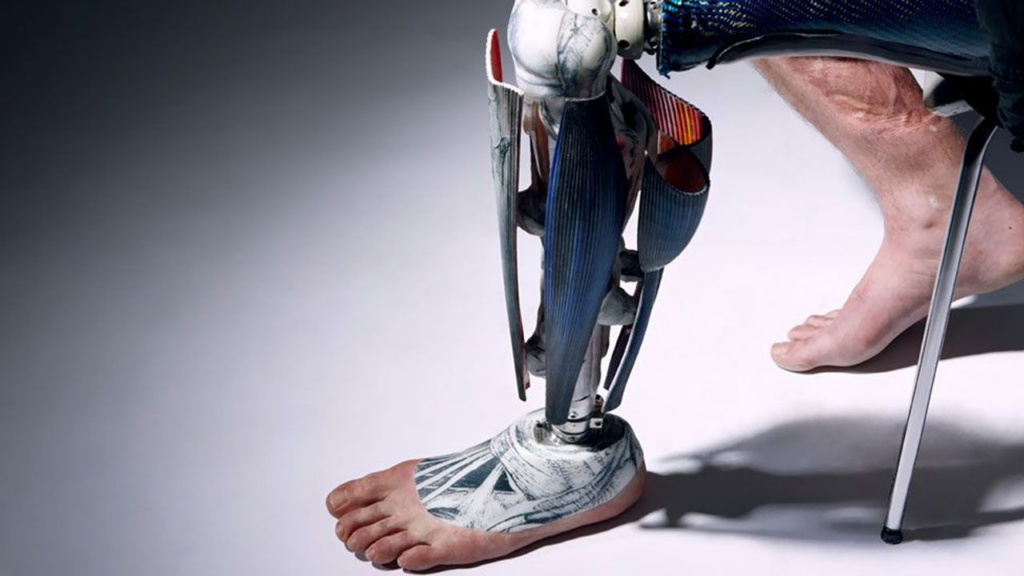
Losing a limb can be a life-changing experience. It can affect how you move, work, and even perform daily activities. Many people may feel a sense of loss and dependence on others after such an event. However, modern medical technology has made it possible to regain independence and improve quality of life through prosthetics. Prosthetics are specially designed devices that replace missing limbs and help people return to their normal routines. They play a key role in restoring mobility, confidence, and self-reliance.
Understanding Prosthetics
Prosthetics are artificial devices that are used to replace a missing arm, leg, hand, or foot. These devices are carefully made to fit the unique shape and needs of each person. Modern prosthetics are designed not only to look natural but also to function efficiently. They are made using advanced materials such as carbon fiber, silicone, and lightweight metals. This allows them to be strong, durable, and comfortable for daily use. Prosthetics can range from simple cosmetic replacements to highly advanced devices that allow complex movements and activities.
How Prosthetics Improve Mobility
One of the main benefits of prosthetics is that they help people regain mobility. For someone who has lost a leg, walking without assistance can become possible with the right prosthetic. Similarly, arm prosthetics can allow individuals to perform tasks like eating, writing, or holding objects. Advanced prosthetics even use sensors and robotics to mimic natural movements. This not only helps in performing daily activities but also reduces the risk of additional injuries caused by imbalance or overuse of other body parts. Regaining mobility through prosthetics gives people the freedom to move independently and engage in social and physical activities.
Boosting Confidence and Mental Well-Being
Losing a limb can have a significant emotional impact. People may feel self-conscious or less confident in public. Prosthetics play an important role in improving mental well-being. Wearing a prosthetic that looks natural can help individuals feel more comfortable in their appearance. Being able to perform daily tasks independently also boosts self-esteem. This sense of control over one’s life encourages positive thinking and reduces feelings of helplessness. In many cases, the ability to regain independence through prosthetics helps people adapt better to their new circumstances and leads to a more fulfilling life.
Supporting Independence in Daily Life
Prosthetics are essential in helping people perform daily activities without relying on others. Tasks like cooking, dressing, driving, or even participating in hobbies become easier with the right prosthetic. This independence allows people to continue living their lives with dignity. It also reduces the burden on family members and caregivers. Over time, individuals can adapt to their prosthetics, learn new ways to perform tasks, and achieve a level of self-sufficiency that may have seemed impossible after limb loss.
Advancements in Prosthetic Technology
The field of prosthetics has seen rapid advancements in recent years. Modern devices can be customized using 3D scanning and printing technologies. Robotic prosthetics and devices with sensors now allow precise control and natural movements. Some prosthetics even connect with nerves or muscles to respond directly to the user’s intentions. These innovations make it possible for people to regain higher levels of independence and participate more fully in both personal and professional life.
Conclusion
Prosthetics play a vital role in helping individuals regain independence after losing a limb. They not only restore mobility but also improve confidence, emotional well-being, and the ability to perform daily tasks. With modern advancements in technology, prosthetics have become more functional and lifelike, enabling people to live active and fulfilling lives. For anyone facing limb loss, prosthetics provide a path to reclaiming independence and returning to a life with freedom and dignity.